





Today when the world is globally interconnected, the supply chain is a vital aspect of every business field. Supply chains are many-faceted and at the centre of each is logistics, handling the functions of moving, storing and controlling the flow of goods. Logistics as a component of the supply chain has a large potential for effective usage in business, where it might enhance and reinforce various tactical and operational processes attributable to the increasingly high velocity of supply market changes.

Table of Content
- Understanding the Critical Role of Logistics in Supply Chain Success
- The Evolving Nature of Supply Chains
- Core Elements of Effective Logistics Management
- Logistics as a Competitive Advantage
- Challenges in Logistics and Supply Chain
- Future Trends in Logistics
- Conclusion
The Evolving Nature of Supply Chains
Globalisation and Complexity in Modern Supply Chains
The scope of supply chains has expanded significantly with globalisation, requiring goods to travel across multiple regions. The management of expenses, inventories, and speed is made more difficult by this increasing complexity. These gaps are filled by a supply chain’s logistics component, which makes sure that goods efficiently reach customers even while they cross several legal and geographic barriers.
Core Elements of Effective Logistics Management
Key Pillars of Logistics Success
It is helpful to comprehend the primary elements of logistics in order to completely appreciate its function in supply chain management.
1. Transportation Management
Logistics revolves around transportation, which includes moving commodities between producers, storage facilities, and retail outlets. Reliability, cost reduction, and time reduction are the main goals of efficient transportation management. Methods like mode selection and route optimisation assist businesses in maintaining economical and effective transportation.
2. Inventory Management
Keeping inventory levels optimised is critical in logistics. To guarantee that there is adequate inventory to satisfy demand without going overboard, a delicate balance must be struck. Effective inventory control helps prevent expensive shortages or excesses, which can affect both financial performance and customer happiness.
3. Warehousing
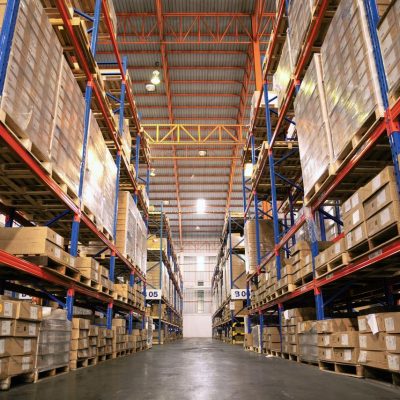
In addition to keeping items in storage, warehousing also helps with order fulfillment. Warehouse inventory organisation, in a way, means that the time it takes to pick and ship orders is inversely proportional to delivery time. A number of technologies, such as small picking machines and inventory management solutions are used in order to improve the functionality of the warehouses.
4. Technology Integration
For logistics management to run well, technology integration is essential. Systems like WMS, TMS and ERP direct and co-coordinate logistics activities at the warehouse, transportation and enterprise level, respectively. Current status information improves accountability for monitoring the physical inventory movement as business entities gain better visibility into it.
Logistics as a Competitive Advantage
How Smart Logistics Creates Value
Businesses can gain a substantial competitive advantage through efficient logistics. By simplifying their operations, businesses may increase customer satisfaction, save costs, and expedite shipment times. Resilience may also be enhanced by a company’s capacity to react swiftly to market shifts, such as shifts in demand or disruptions in the supply chain. This adaptability strengthens brand loyalty and overall market positioning.
Challenges in Logistics and Supply Chain
Overcoming Roadblocks
There are a number of difficulties in managing logistics in a supply chain, including shifting demand, growing expenses, and transportation interruptions. The following are some typical obstacles and solutions:
- High Transportation Costs: These are frequently caused by fuel prices, tariffs, and operating expenditures. Some of these costs can be reduced by investing in sustainable practices, such as electric cars, and using technology to optimise routes.
- Supply Chain Disruptions: Pandemics, natural disasters, and unstable political environments can cause logistical problems. By diversifying their sources and putting emergency plans in place, companies may reduce these risks.
- Data Security: As our reliance on digital systems grows, data security takes precedence. To safeguard sensitive data, businesses need to implement strict cybersecurity procedures.
Future Trends in Logistics
Innovations Shaping the Future of Logistics
A number of fascinating themes are influencing the direction of logistics in the future. Here are a few developments we may anticipate:
- Automation and Robotics: Robots are being used more and more in warehouses to manage inventory, pack, and sort items. Automation increases accuracy, expedites processes, and lowers human error.
- Artificial Intelligence (AI): AI helps with risk management, customer service, and demand forecasting. AI can assist logistics managers in improving their inventory and transportation decisions by examining data trends.
- Blockchain Technology: This technology has the potential to improve supply chain traceability and transparency. Blockchain provides a safe method to monitor goods movement and confirm authenticity because every transaction is recorded.
- Sustainability: Logistics plays a crucial role when it comes to environmental issues because it is one of the areas that companies have considered important while seeking to adopt sustainable business strategies. Most are chasing electric and other low emission vehicles, recycling, and packaging reduction efforts to mitigate environmental impacts.
Conclusion
Logistics will continue to be an essential key in working alongside the supply chain systems. Through the management of transportation, inventory, and technology systems, organisations can execute continuous improvement and effectively satisfy the growing market demands. For those businesses aiming to enhance the effectiveness and efficiency of their logistics services, cooperation with a professional logistics partner like DP World Fulfillment allows access to innovative and effective solutions essential to handle the contemporary logistics environment. Why not explore how our logistics services can transform your supply chain at DP World Fulfillment? Visit our website and get in touch today.