





Supply Chain Management (SCM) is defined as a strategic, operationally critical function in today’s complex organisation environment. Every technological development and increase in the sizes of markets around the globe poses a test to the ways in which firms manage their supply chains in order to optimise their efficiency, minimise costs and please consumers. Therefore, this guide examines the key concepts that fit under the central theme of the supply chain management process with a particular focus on the best practices and issues that surround the achievement of an efficient and sustainable SCM process.

Table of Content
- A Deep Dive into the Key Stages of the Supply Chain Management Process
- Understanding Supply Chain Management
- Key Stages of the Supply Chain Management Process
- Challenges in the Supply Chain Management Process
- Best Practices for Effective Supply Chain Management
- Conclusion
- Prepared to Lead in the Supply Chain Field? Discover DP World Fulfilment
Understanding Supply Chain Management
The Meaning and Description of Supply Chain Management
Supply chain management (SCM) is the process of effectively delivering goods from suppliers to consumers by coordinating inventories, logistics, and manufacturing. Raw materials are converted into completed commodities and distributed to customers thanks to an integrated network of operations. Businesses may save expenses, save time, and react to client requests faster by optimising these processes.
Importance of an Effective Supply Chain
“Why should we care about effective supply chain?”. A good supply chain management system is one that is essential for the success of a firm and its competitiveness. The essentials for a successful SCM are cutting down on waste, reduction of lead times, minimisation of costs, delivery on time and product quality. Also, a value-driven supply chain is a responsive supply chain; it enables firms to respond to disruptions like shifts in the economy, disasters, or even challenges from suppliers. In modern business environments, supply chain strategy decides whether a company will succeed or not in widely competitive market environments.
Key Stages of the Supply Chain Management Process
The supply chain management process is a multi-phase, intricate process that needs meticulous planning, implementation, and ongoing development. Here are the five essential stages:
Planning
The foundation of the supply chain is the planning phase. It includes estimating product requirements, evaluating market demand, and developing a workable manufacturing and distribution strategy. To make sure the supply chain is in line with the objectives of the business, planners examine past data, market trends, and seasonality. Demand management, inventory control, and developing plans to deal with any shifts in consumer demand are all included in planning.
Sourcing
Sourcing is the act of choosing suppliers of the raw materials and various components. These activities consist of such processes as contracting, supplier management, and materials compliance. Careful selection of the suppliers and defined communication process means are critical in order to control product quality and prevent potential delays. Pricing is also an important area to watch here, using supplier management and risk management to help when things such as fluctuations in price or geopolitical problems disrupt the supply chain.
Manufacturing
The process of manufacturing involves converting raw ingredients into final goods. During this phase, equipment maintenance, quality assurance, and production schedule management are all included. Businesses have to combine satisfying customer demand with controlling manufacturing costs. Effective production procedures help cut waste, enhance quality, and guarantee that goods are prepared for prompt delivery.
Delivery/Logistics
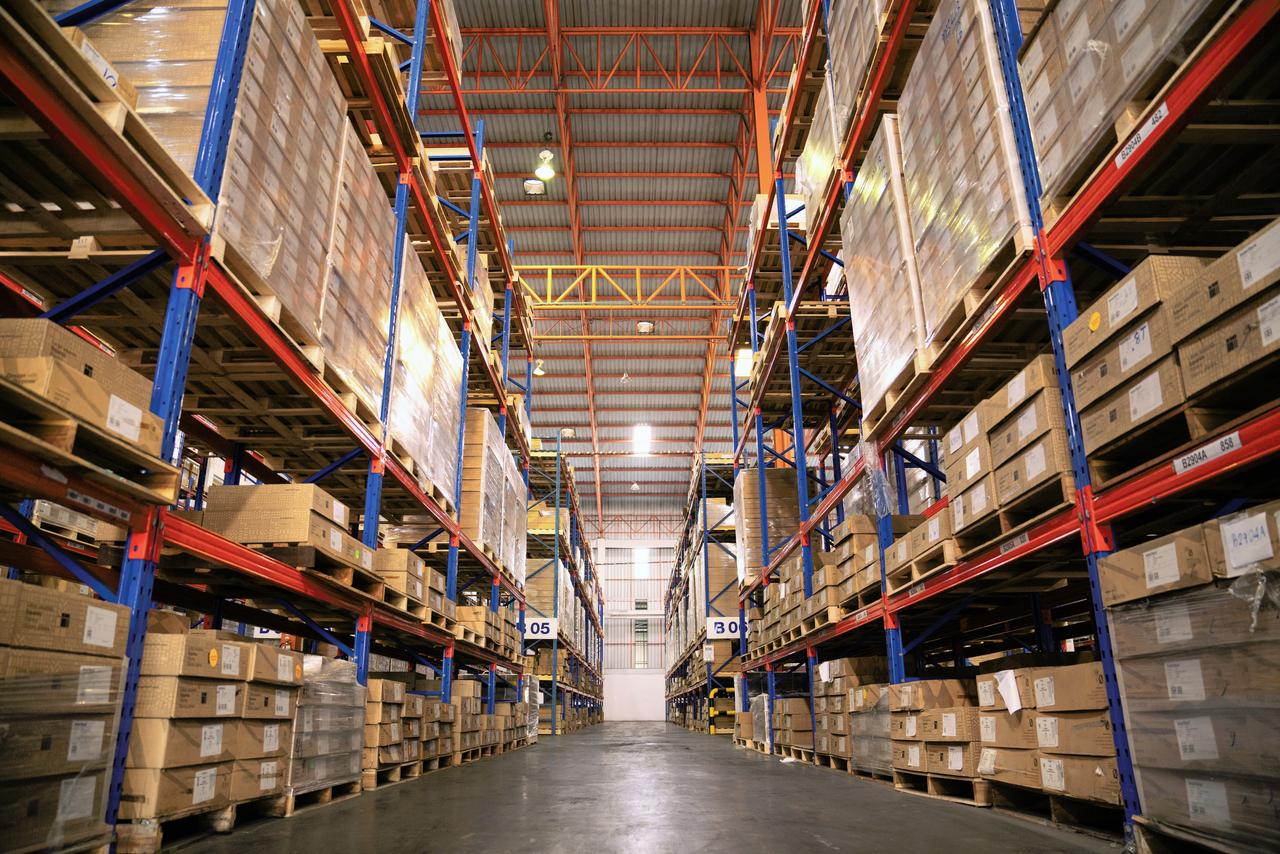
The transportation of goods from production plants to storage facilities and, eventually, to consumers, is covered by the logistics stage. Distribution, order fulfilment, transportation management, and warehousing are all part of this phase. Customer satisfaction depends on efficient logistics as it affects delivery speed and dependability. Effective logistics management ensures that products arrive at consumers’ locations on time and in ideal shape while reducing expenses.
Returns (Reverse Logistics)
Reverse logistics, the last phase, handles product swaps, refunds, and recycling. Effective return management is essential to preserving client happiness and lessening the impact on the environment. Handling returned items, evaluating their condition, and deciding whether they may be recycled, resold, or repaired are all part of this process. Effective reverse logistics may also reveal possible supply chain enhancements, including raising product quality or modifying customer care procedures.
Challenges in the Supply Chain Management Process
External Factors
Supply networks can be severely disrupted by external events, including natural catastrophes, political upheavals, and economic swings. For instance, trade tariffs can change the cost of acquiring commodities, and an abrupt spike in fuel prices may affect transportation costs. Significant delays and shortages may also result from incidents linked to the environment or global health crises. Maintaining supply chain resilience requires anticipating and reducing these risks.
Internal Constraints
These entail budgetary constraints, workforce problems, and technological shortcomings. For instance, a limited investment in technology can diminish the capability of a company to utilise data analytics for forecasting its product requirements. The absence of proper training for the workforce may result in operational inefficiencies that will increase costs and/or lengthen delivery time. In order to solve these internal constraints, investments in technology, training, and the optimisation of internal processes are commonly needed.
Best Practices for Effective Supply Chain Management
Constant Improvement
An essential component of efficient SCM is continuous improvement. This strategy places a strong emphasis on routinely evaluating and improving procedures in order to increase productivity, lower expenses, and boost client happiness. Supply chain inefficiencies may be found and eliminated with the use of tools like Lean and Six Sigma. Businesses may maintain their agility and adjust to shifting market needs by cultivating a culture of continuous improvement.
Initiatives for Sustainability
The importance of integrating sustainability into the supply chain is growing. Reducing carbon emissions, procuring from suppliers who practise environmental responsibility, and cutting waste at every stage of the supply chain are examples of sustainable supply chain management techniques. These programs not only help preserve the environment, but also improve brand recognition and draw in eco-aware customers. Nowadays, a lot of businesses are implementing green logistics, which includes reducing fuel use by optimising routes or employing electric cars for delivery.
Conclusion
A complicated but essential component of contemporary business is the supply chain management process. Businesses may boost customer happiness, save expenses, and enhance efficiency by comprehending and optimising every step, from planning to reverse logistics. They may create robust and adaptable supply chains by putting best practices like sustainability efforts and continuous improvement into practice, even while obstacles like internal restrictions and external disruptions are unavoidable. Maintaining a competitive advantage in a rapidly changing global market requires businesses to be proactive and educated as supply networks change.
Prepared to Lead in the Supply Chain Field? Discover DP World Fulfilment
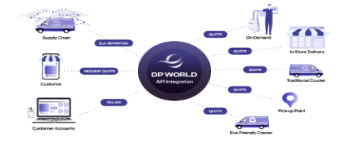
Offering end-to-end solutions that support every phase of the supply chain process, DP World Fulfilment helps companies looking to improve the efficiency of their supply chains. Is your supply chain ready for optimisation? Take the leap today- explore DP World Fulfillment’s services and cutting-edge technology, and start transforming your logistics today.